By Bernard Oketch
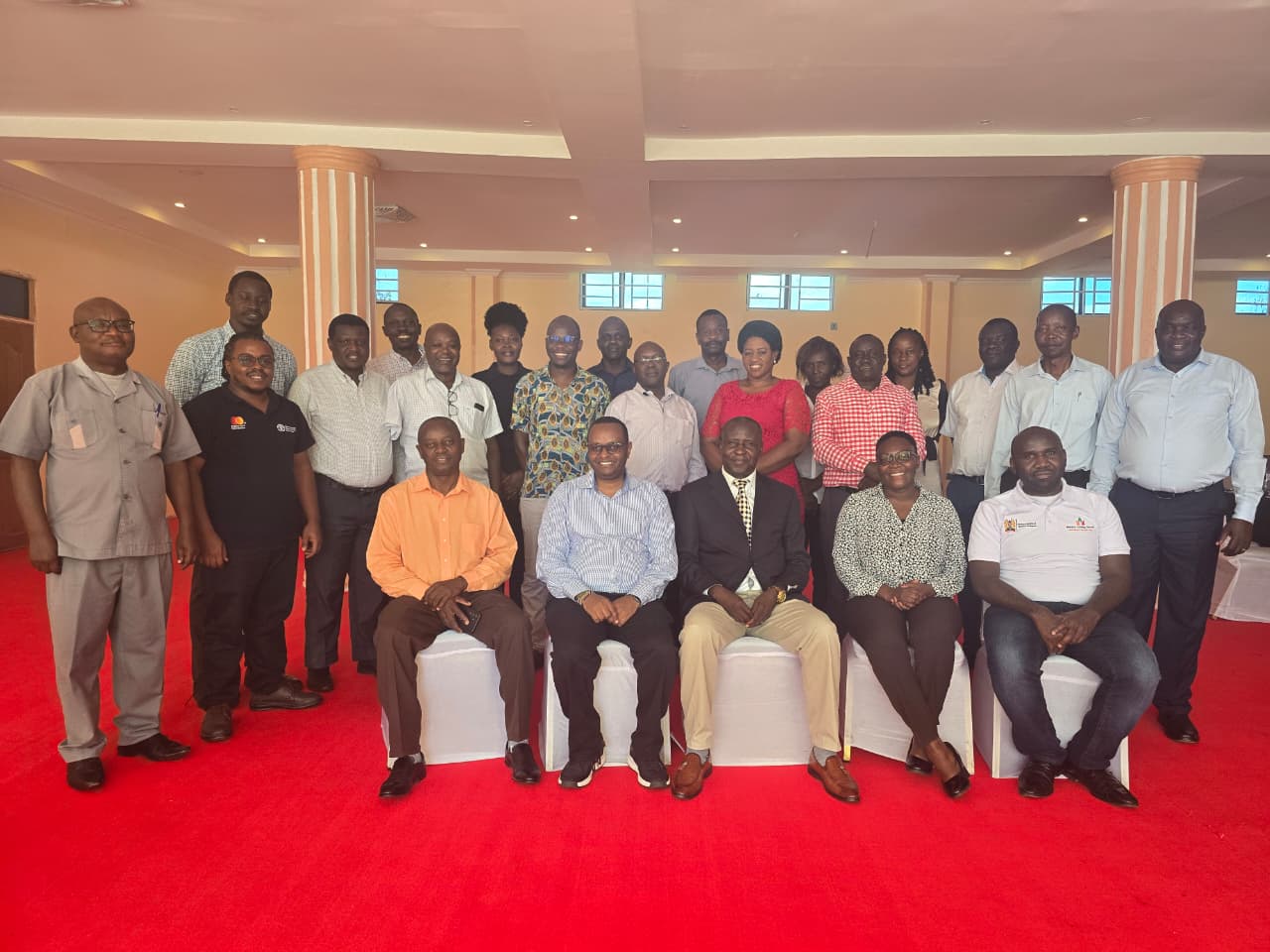
Homa Bay County Government, through the Department of Agriculture, Irrigation and Livestock Development, together with the National Agricultural Value Chain Development Project (NAVCDP), has launched a major package of farmer and community support interventions valued at more than Ksh.55 million, alongside the Homa Bay County Action Plan for Food Loss and Waste Reduction (2026–2031), in a twin exercise aimed at accelerating agricultural transformation, strengthening food systems and improving livelihoods across the county.
The launch was officiated by Deputy Governor H.E. Dannish Onyango, who also read a speech on behalf of H.E. Governor Gladys Wanga, highlighting the County Government’s commitment to investing in farmers, strengthening agricultural value chains and addressing challenges that undermine food security and household incomes.
The NAVCDP package comprises Kshs.28 million in Inclusion Grants, Kshs.16 million in Matching Grants, Kshs.5.5 million worth of Digital Agricultural Resource Kits (DAR Kits), and resources to establish and equip demonstration farms in community institutions.
The Inclusion Grants will provide targeted beneficiaries with resources to participate more effectively in agricultural value chains, establish and strengthen enterprises and improve their livelihoods. The intervention is expected to promote economic inclusion while creating opportunities for beneficiaries to engage in productive agricultural activities.
The Kshs.16 million Matching Grants will enable beneficiaries to leverage their own contributions alongside project resources to expand viable agricultural enterprises and strengthen productive investments. The approach is designed to promote ownership, accountability and sustainability while enabling farmers and community groups to scale up their activities.
Also launched were Digital Agricultural Resource Kits valued at Kshs.5.5 million, aimed at strengthening farmers’ access to digital agricultural information, technologies and extension resources. The initiative is expected to enhance access to timely and relevant information, enabling farmers to make informed decisions and improve practices across various agricultural value chains.
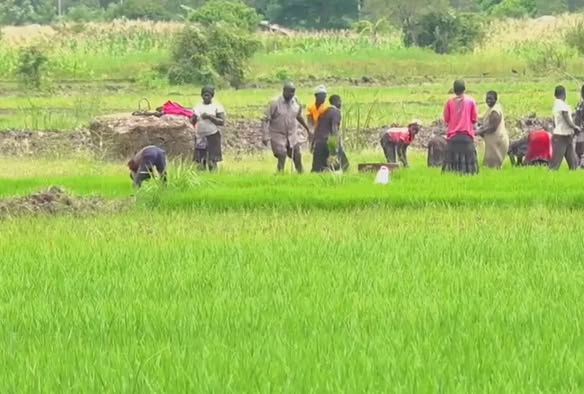
NAVCDP will further support the establishment and equipping of demonstration farms in community institutions, providing practical learning platforms where farmers can observe improved agricultural technologies and practices. The demonstration sites will facilitate knowledge transfer, farmer-to-farmer learning and adoption of appropriate technologies while complementing interventions in value-chain development, farmer-led irrigation and sustainable land management.
Speaking during the launch, Deputy Governor H.E. Danish Onyango underscored the importance of responsible utilisation of the grants and other resources, urging beneficiaries to invest the support in productive activities capable of generating sustainable economic returns. He noted that strengthening farmers and community institutions remains critical to increasing agricultural productivity, expanding enterprises and improving household incomes.
The interventions form part of the wider NAVCDP implementation framework in Homa Bay, which places emphasis on farmer mobilisation, cooperative development, value-chain strengthening and increased participation of farmers in commercially viable agricultural activities.
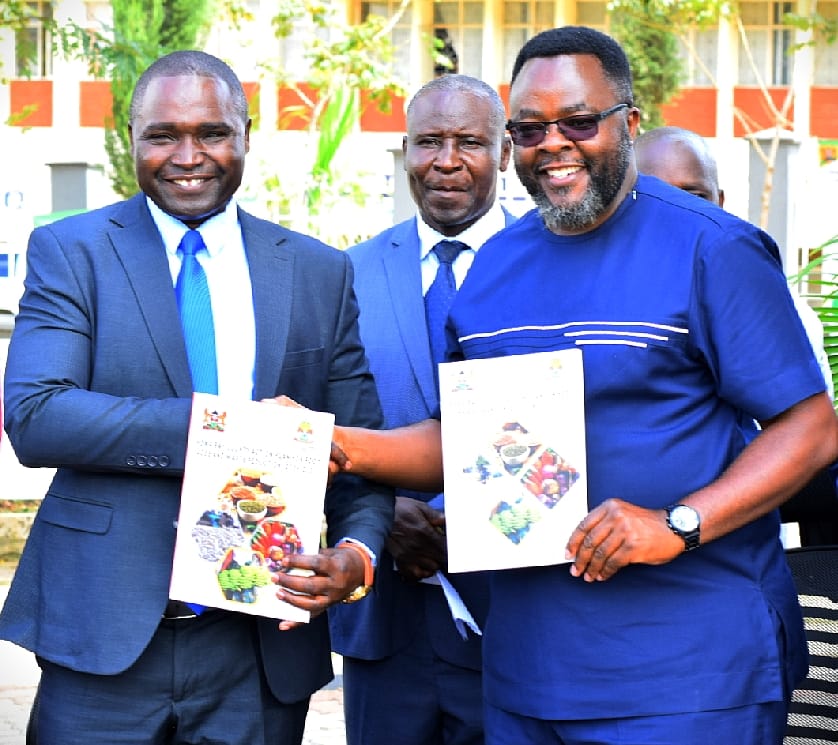
At the same event, the County Government launched the Homa Bay County Action Plan for Food Loss and Waste Reduction (2026–2031), providing a strategic framework to guide efforts to reduce food losses and waste across the county’s food systems.
The Action Plan was spearheaded by the World Resources Institute (WRI) and the Food and Land Use Coalition (FOLU) in collaboration with the County Government of Homa Bay and other stakeholders. It seeks to address key causes of food loss and waste along agricultural value chains while promoting more efficient, sustainable and resilient food systems.
The Action Plan places emphasis on practical interventions to minimise losses after production and improve the utilisation of food resources. Key areas include strengthening awareness among farmers and value-chain actors, improving post-harvest handling and storage, enhancing access to appropriate technologies and strengthening coordination among stakeholders across the food system.
The initiative is particularly significant in addressing losses arising from inadequate post-harvest handling, storage and market linkages, which can reduce the value of agricultural produce and undermine farmers’ incomes and food security.
The twin launch therefore brings together complementary interventions: while NAVCDP is providing farmers and community institutions with financial, digital and practical resources to strengthen agricultural enterprises, the Food Loss and Waste Action Plan provides a coordinated framework for ensuring that more of the food produced is preserved, utilised and converted into economic value.
The County Government reaffirmed its commitment to working closely with NAVCDP, WRI, FOLU and other development partners to strengthen agricultural productivity, improve food systems and create greater economic opportunities for farmers and communities.
The combined interventions are expected to enhance farmers’ capacity to adopt improved technologies, strengthen agricultural enterprises, improve access to information and markets, reduce food losses and waste, and ultimately contribute to improved food security and increased household incomes across Homa Bay County.
The launch marks another step in the County Government’s efforts to transform agriculture into a more productive, commercially oriented and sustainable sector, in line with the broader development agenda of making Homa Bay a county of greater economic opportunity and improved livelihoods.