Homa Bay strengthen Fisheries opportunities for women and youth
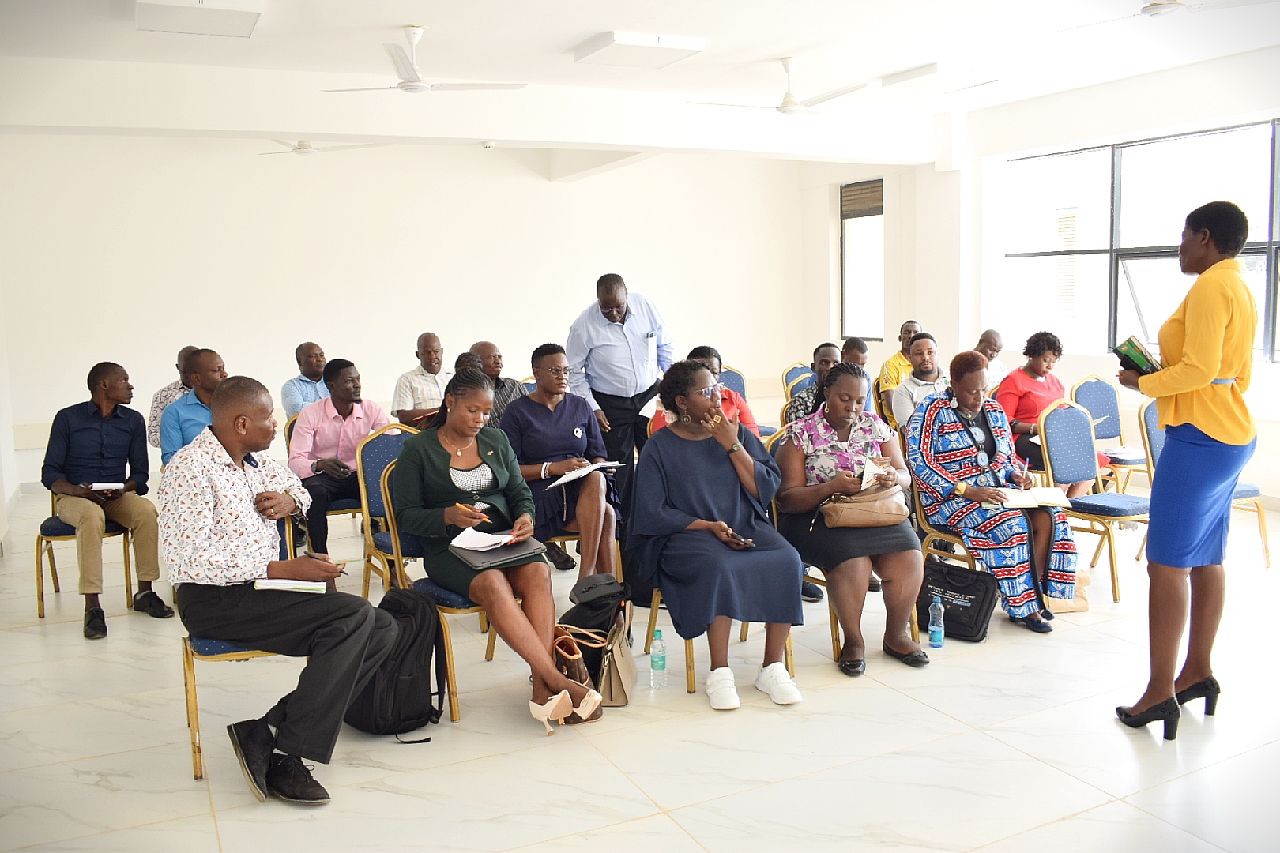
Homa Bay County Government, through the Department of Blue Economy, Fisheries, Mining and Digital Economy, has welcomed a high-level delegation from the East African Sub-Regional Support Initiative for the Advancement of Women (EASSI) to kick-start a transformative three-year programme aimed at building inclusive, safe and sustainable fisheries economies for women and youth aged between 18 and 35 years.
This initiative seeks to unlock economic opportunities within the fisheries value chain by strengthening access to profitable markets, enhancing technical and entrepreneurial skills, and empowering young women and youth to participate actively in fisheries-related enterprises. The programme will also focus on improving financial literacy, business management, cooperative development, digital trade integration and market linkages while supporting traders to meet fish quality standards and export requirements.
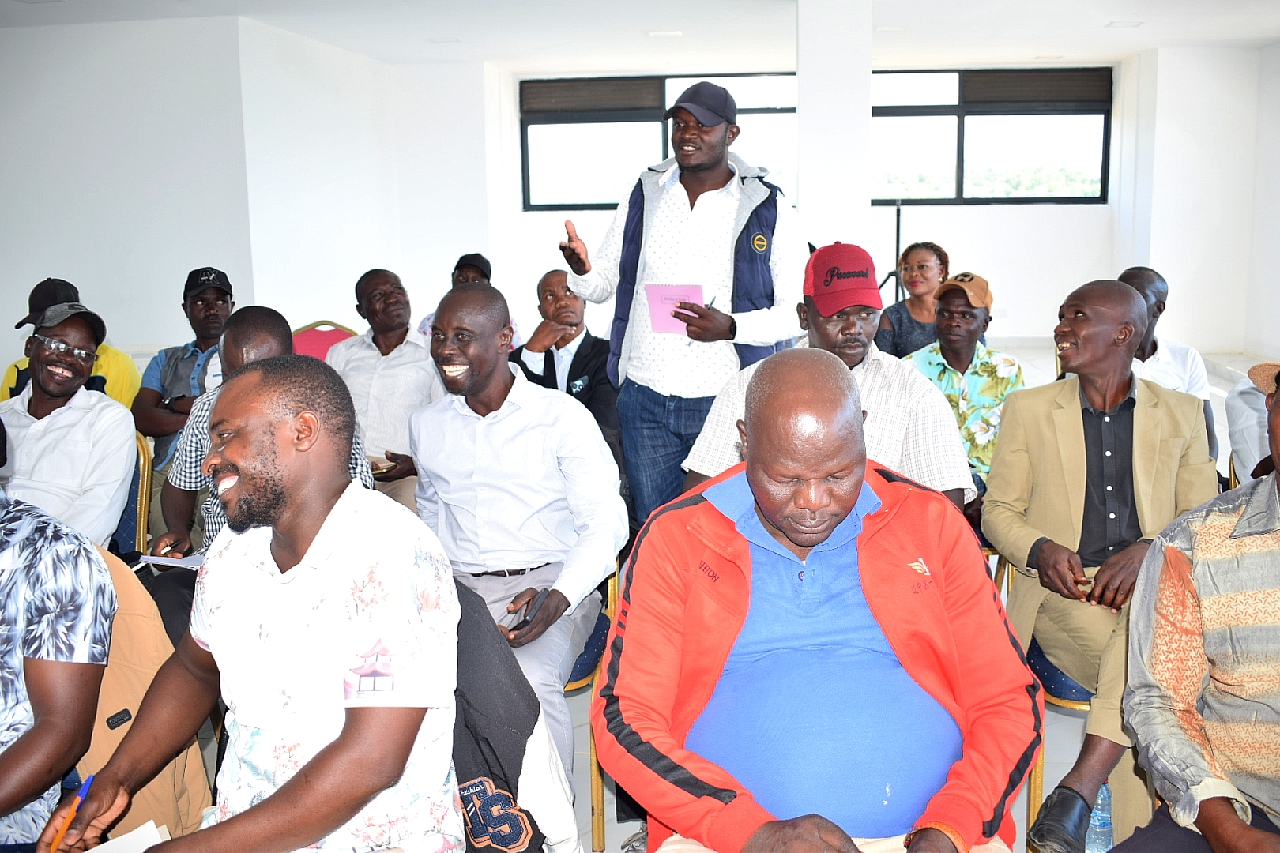
Speaking during the engagement, stakeholders emphasized the need to address barriers that limit women's and youth's participation in the fisheries sector, a key pillar of Homa Bay's Blue Economy.
The programme will further strengthen institutional and community safeguarding systems to ensure safe working environments, promote gender equality, and protect participants from exploitation and abuse.
Over the next three years, the project is expected to mobilize more than ten thousand beneficiaries through community outreach programmes, capacity-building initiatives, advocacy forums, market access interventions, cross-border dialogues and the establishment of community liaison platforms. The partnership is poised to create sustainable livelihoods, increase incomes and position women and youth as key drivers of economic transformation in Homa Bay County's thriving fisheries sector.
The initiative aligns with the County Government's commitment to harnessing the Blue Economy as a catalyst for job creation, poverty reduction and inclusive development, particularly among young people and women who form a significant portion of the fisheries workforce.